
Table of Contents
- Why pest control st petersburg is essential for local homeowners
- Key factors that attract pests in St Petersburg
- Signs of infestation you shouldn’t ignore
- Natural removal methods you can try today
- Effective pest control st petersburg home remedies
- Chemical & product treatment: What homeowners need to know
- Method comparison: DIY vs. professional pest control st petersburg
- Common mistakes homeowners make during pest control attempts
- Prevention checklist: Long‑term pest control st petersburg strategy
- When to call a professional pest control st petersburg service
- FAQ
- What time of year is pest activity highest in St Petersburg?
- Can I use the same pesticide indoors and outdoors?
- How often should I schedule professional pest control st petersburg inspections?
- Is diatomaceous earth safe for pets?
- What should I do if I find a dead rodent in my attic?
- Trending posts:
- Mosquito Control Gulfport: Expert Tips for Homeowners
- Spider Spotlight the Brown Recluse – Identification, Risks & Control
- Wildlife Removal Plant City – Expert Guide for Homeowners
- Mosquito Control Largo: Practical Guide for Homeowners
- Effective Squirrel Removal: A Homeowner’s Complete Guide
- X Natural Mosquito Repellent Techniques for a Bite‑Free Home
Living in St Petersburg means enjoying sunshine, beaches, and a vibrant community—but it also brings an unwelcome guest: pests. Imagine returning from a day at the waterfront to find ants marching across your kitchen counter or hearing the faint rustle of rodents in your attic. These situations are all too common for local homeowners, and they can quickly turn a comfortable house into a stressful battleground.
Over the years, I’ve walked dozens of neighborhoods in St Petersburg, inspecting homes, setting traps, and advising families on what works—and what doesn’t. The reality is that no single solution fits every situation. Effective pest control st petersburg requires a blend of knowledge about the pests themselves, the local climate, and the everyday habits that either invite or deter infestations.
This guide pulls together the practical experience I’ve gathered on the job, offering a step‑by‑step roadmap for anyone facing a pest problem. Whether you’re dealing with a sudden ant invasion, a lingering rodent issue, or the seasonal surge of mosquitoes, you’ll find realistic, science‑based advice that respects both your budget and the environment.
Why pest control st petersburg is essential for local homeowners
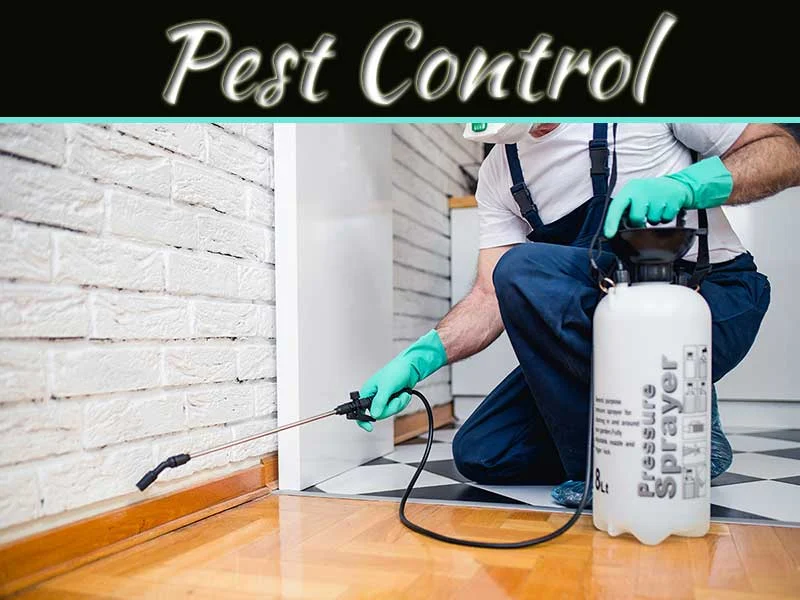
St Petersburg’s subtropical climate creates an ideal environment for a wide range of pests. Warm temperatures, high humidity, and abundant vegetation mean insects and rodents can reproduce year‑round, unlike in cooler regions where they’re forced into seasonal dormancy. Understanding the why behind these invasions helps you target the root cause rather than just the symptoms.
Key factors that attract pests in St Petersburg
- Food sources: Outdoor grills, uncovered trash bins, and pet food left outside provide easy meals.
- Moisture: Leaky pipes, standing water in gutters, and damp basements are magnet magnets for insects and rodents.
- Entry points: Cracks around windows, gaps under doors, and unsealed utility penetrations act as highways into the home.
- Landscaping: Dense shrubbery and wood piles close to the foundation give pests shelter and hiding spots.
When you address these factors, pest control st petersburg becomes far more manageable. The following sections break down what to look for, how to act, and when it’s time to call in the experts.
Signs of infestation you shouldn’t ignore

Early detection is the most cost‑effective strategy. Look for these tell‑tale signs before the problem spirals.
- Small droppings near food preparation areas (often a sign of rodents or cockroaches).
- Visible nests or webs in corners, attics, or under eaves.
- Unexplained stains or grease marks along baseboards—these can indicate mouse activity.
- Distinctive scratching sounds in walls or ceilings at night.
- Unusual smells, such as a sweet, musty odor from a potential beetle or termite infestation.
If you notice any of these, it’s time to start a systematic approach to pest control st petersburg.
Natural removal methods you can try today

Before reaching for chemical sprays, many homeowners prefer to test low‑impact solutions. Below are the most reliable DIY methods, explained with the science behind each.
Effective pest control st petersburg home remedies
- Vinegar & water spray: A 1:1 mixture disrupts the scent trails of ants and roaches, making it harder for them to navigate. Spray directly on visible trails and reapply after rain.
- Diatomaceous earth (DE): This fine powder contains fossilized algae with microscopic sharp edges. When insects crawl over it, the edges pierce their exoskeleton, causing dehydration. Sprinkle DE in cracks, under appliances, and along baseboards.
- Boric acid bait stations: Mix boric acid with sugar and water to attract ants and cockroaches. The insects ingest the poison and bring it back to the colony. Place stations where you see activity, but keep them out of reach of children and pets.
- Essential oil repellents: Oils like peppermint, tea tree, and citronella interfere with insect olfactory receptors. Dilute a few drops in water and spray around doorways and window frames.
These methods work best for light to moderate infestations. In a heavy infestation, the pests may quickly develop tolerance or simply outnumber the treatment, at which point professional pest control st petersburg is advisable.
Chemical & product treatment: What homeowners need to know
When DIY solutions fall short, targeted chemical treatments become necessary. Understanding the active ingredients helps you use them safely and effectively.
- Pyrethroids (e.g., permethrin, bifenthrin): Synthetic analogs of natural pyrethrins that attack the nervous system of insects, causing paralysis. Apply as a perimeter spray around foundations and entry points.
- Fipronil: Commonly used for termites and roaches; it blocks GABA receptors in insects, leading to uncontrolled nerve firing. Use in bait stations for concealed infestations.
- Rodenticide baits (e.g., bromadiolone): Anticoagulants that cause internal bleeding after several days of consumption. Place in tamper‑resistant stations to prevent accidental exposure.
Key safety tips:
- Always read the label and follow the recommended dosage.
- Wear gloves and, if spraying indoors, ensure adequate ventilation.
- Store chemicals out of reach of children and pets.
- Avoid over‑application; more product does not equal faster results and can increase health risks.
One common mistake is applying a generic indoor spray to outdoor perimeters, which reduces its efficacy because the product is formulated for a different environment. Choose products labeled specifically for the area you intend to treat.
Method comparison: DIY vs. professional pest control st petersburg
| Method | Speed | Effectiveness | Risk | Best For |
|---|---|---|---|---|
| DIY natural remedies | Slow to moderate | Low‑to‑moderate | Very low (non‑toxic) | Light infestations, eco‑conscious homeowners |
| Over‑the‑counter chemical sprays | Moderate | Moderate‑high | Low‑moderate (requires safety precautions) | Medium infestations, DIY‑confident users |
| Professional pest control st petersburg services | Fast | High | Managed risk (technician trained) | Severe infestations, time‑sensitive situations |
Common mistakes homeowners make during pest control attempts
Even well‑meaning homeowners can inadvertently worsen a situation. Here are the pitfalls to avoid:
- Focusing on symptoms, not sources: Spraying visible insects without sealing cracks lets new pests re‑enter.
- Using the wrong product for the pest: Ant baits won’t work on rodents, and vice‑versa.
- Neglecting outdoor areas: Ignoring the yard’s perimeter creates a constant re‑entry point for pests.
- Over‑reliance on one method: Rotating between natural, chemical, and mechanical controls prevents resistance buildup.
Prevention checklist: Long‑term pest control st petersburg strategy
Prevention is the most sustainable part of any pest management plan. Keep this list handy and review it seasonally.
- Seal cracks >¼ inch with caulk or expanding foam.
- Install door sweeps and window screens.
- Maintain gutters and downspouts to direct water away from the foundation.
- Store firewood at least 20 feet from the house and elevate it off the ground.
- Trim shrubs and trees so they do not touch the roof or walls.
- Regularly clean kitchen surfaces and store food in airtight containers.
- Dispose of trash weekly in sealed bins.
When to call a professional pest control st petersburg service
Even with the best DIY approach, some situations warrant a trained technician’s expertise. Consider calling a professional if you notice any of the following:
- Infestation spreads despite consistent DIY treatments for more than two weeks.
- Evidence of structural damage, such as chewed wooden beams or termite tunnels.
- Health concerns arise, like allergic reactions to cockroach droppings or bites from biting insects.
- Rodent activity in living spaces, especially when droppings are found in food prep areas.
- You need a comprehensive inspection that includes hidden areas like crawl spaces and attics.
Professional pest control st petersburg companies have access to EPA‑registered products, advanced monitoring tools, and the training needed to handle hazardous pests safely.
FAQ
What time of year is pest activity highest in St Petersburg?
Warm, humid months from April through October see the greatest activity, especially for ants, roaches, and mosquitoes. Rodents, however, remain active year‑round.
Can I use the same pesticide indoors and outdoors?
No. Indoor formulations are designed for low‑ventilation spaces and often have milder active ingredients. Outdoor products are built to withstand UV exposure and rain.
How often should I schedule professional pest control st petersburg inspections?
For most homes, a quarterly visit balances cost and protection, but high‑risk properties (e.g., those near wetlands) may benefit from monthly checks.
Is diatomaceous earth safe for pets?
Food‑grade diatomaceous earth is considered safe for pets when applied in areas they cannot easily inhale. Keep it away from eyes and avoid excessive dust.
What should I do if I find a dead rodent in my attic?
Wear gloves, place the carcass in a sealed bag, and dispose of it in an outdoor trash bin. Follow up with a thorough cleaning and a professional inspection to locate entry points.
By staying vigilant, addressing infestations early, and applying the right mix of natural and chemical tactics, St Petersburg homeowners can keep their homes comfortable and pest‑free. Remember, pest control is an ongoing process—regular maintenance and periodic professional evaluations are the best defense against the relentless Florida wildlife that seeks shelter in our homes.