
Table of Contents
- Effective mosquito control clearwater Strategies for Homeowners
- Why This Pest Appears in Homes
- mosquito control clearwater: Choosing the Right Approach
- Signs of Infestation
- Natural Removal Methods
- 1. Eliminate Standing Water
- 2. DIY Larvicide with Beneficial Bacteria
- 3. Plant Mosquito‑Repelling Herbs
- Chemical / Product Treatment
- 1. Pyrethroid Sprays
- 2. Adulticidal Foggers
- 3. Professional-Grade Residual Sprays
- Method Comparison
- Common Mistakes Homeowners Make
- Prevention (Long‑Term Control)
- When to Call a Professional
- FAQ
- Can mosquitoes breed in small birdbaths?
- Is DEET safe for children?
- How long does a professional treatment last?
- Do mosquito traps work?
- What is the best time of day to apply outdoor sprays?
- Trending posts:
- Does Bleach Kill Bed Bugs? Facts, Risks, and Better Alternatives
- Mite Control: Understanding the Problem
- How to Remove Cockroach Bite: A Homeowner’s Guide
- Mouse Control: Proven Strategies for a Pest‑Free Home
- Wildlife Removal Westchase: Expert Tips for Homeowners
- Pest Control Lake Magdalene: Expert Tips for Homeowners
Living in Clearwater means enjoying sunny days, sparkling beaches, and—unfortunately—the occasional buzz of mosquitoes at dusk. For many homeowners, the sight of these tiny pests swarming around patio lights or the sound of them near bedroom windows is more than a nuisance; it can turn a relaxing evening into a sleepless night. If you’ve found yourself swatting, spraying, or wondering why the bites keep coming back, you’re not alone. The challenge of mosquito control Clearwater is real, but with the right knowledge and tools, it becomes manageable.
Imagine preparing a family dinner on your back deck, only to have the mosquitoes descend in a cloud, making it impossible to enjoy the meal outdoors. The frustration grows when you’ve tried a few over‑the‑counter sprays, yet the problem persists. This scenario is common across many neighborhoods in Clearwater, where the warm, humid climate creates perfect breeding grounds for these insects.
In this guide we’ll walk through why mosquitoes thrive in Clearwater, how to spot early signs of an infestation, and which natural and chemical methods actually work. By the end, you’ll have a clear plan—whether you prefer DIY solutions or need to call a professional—for lasting mosquito control Clearwater results.
Effective mosquito control clearwater Strategies for Homeowners
Why This Pest Appears in Homes
Understanding the biology of mosquitoes helps you break their life cycle. In Clearwater’s subtropical environment, mosquitoes thrive because:
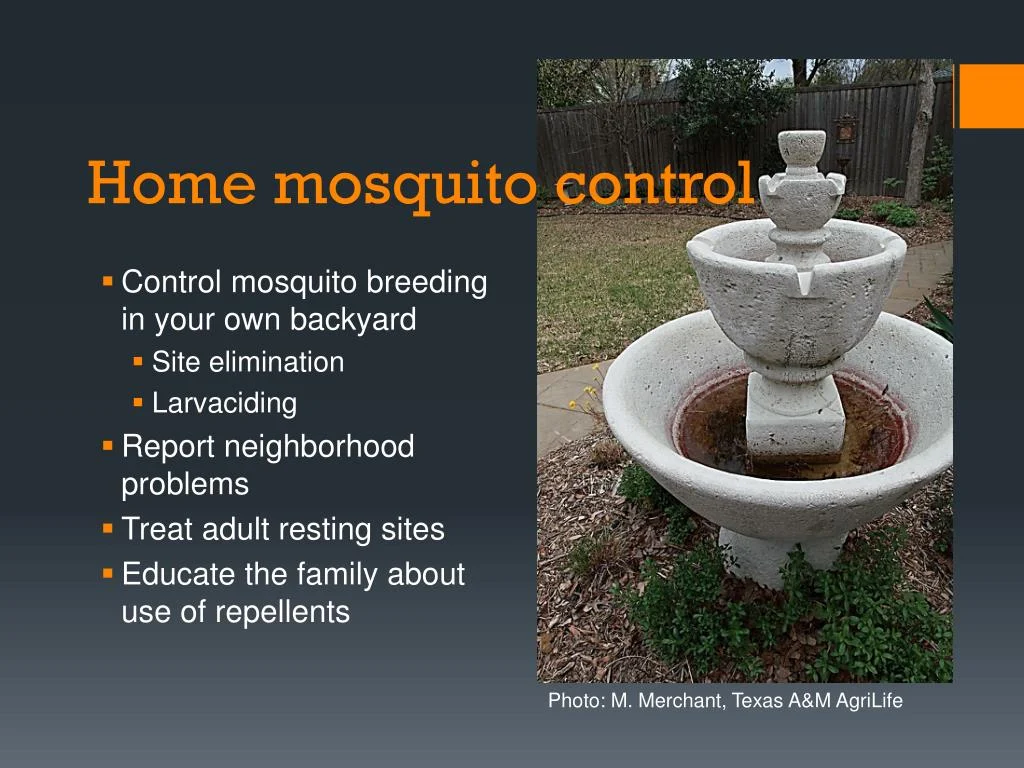
- Standing water – Any container that holds water for more than 48 hours becomes a breeding site.
- Warm temperatures – Heat accelerates larval development, allowing multiple generations per season.
- Vegetation and shade – Dense foliage offers resting places for adult mosquitoes during the day.
- Human activity – Outdoor gatherings, pet water bowls, and irrigation systems unintentionally create habitats.
Even small, overlooked items like bird baths, clogged gutters, or discarded tires can become mosquito nurseries. By eliminating these sources, you cut down the population before it even starts.
mosquito control clearwater: Choosing the Right Approach
Choosing a strategy depends on your comfort level, budget, and how quickly you need results. Some homeowners favor natural remedies, while others opt for professional-grade treatments. The best plan often combines several methods, creating a layered defense that addresses both larvae and adult mosquitoes.
Signs of Infestation
Spotting an early infestation saves you from larger problems later. Look for these tell‑tale signs around your property:
- Increased mosquito activity at dusk or dawn.
- Visible larvae in stagnant water (they look like tiny, wiggling “tails”).
- Frequent bite marks on family members, especially on exposed skin.
- Dark, oily streaks on the inside walls of containers—signs of mosquito waste.
- Unexplained buzzing sounds near patios, decks, or windows.
Natural Removal Methods

For homeowners who prefer low‑impact solutions, several natural approaches can reduce mosquito numbers without harsh chemicals.
1. Eliminate Standing Water
How it works: Removing breeding sites stops the life cycle at its source.
Steps:
- Empty, clean, or cover any containers that hold water (plant saucers, buckets, kiddie pools).
- Change water in pet bowls and bird baths at least twice a week.
- Install a fine mesh over drainage areas.
When it works: This method is effective year‑round in Clearwater because it tackles the problem before larvae mature.
When it may fail: If hidden water sources remain (e.g., underground drainage), mosquitoes will continue to breed.
2. DIY Larvicide with Beneficial Bacteria
How it works: Products containing Bacillus thuringiensis israelensis (Bti) target mosquito larvae while being safe for fish, pets, and humans.
Steps:
- Purchase a Bti granule or liquid formulation.
- Apply according to label directions to any standing water that cannot be eliminated (e.g., ornamental ponds).
- Re‑apply after heavy rain.
When it works: Bti kills larvae within 24‑48 hours, preventing them from becoming biting adults.
When it may fail: Over‑application can harm beneficial insects; always follow dosage instructions.
3. Plant Mosquito‑Repelling Herbs
Plants such as citronella, catnip, and lavender release volatile oils that mosquitoes find unpleasant.
- Place pots near doorways, patios, or fire pits.
- Combine with other methods for added protection.
While these plants won’t eliminate an infestation, they create a less inviting environment for adult mosquitoes.
Chemical / Product Treatment
When natural methods aren’t enough, targeted chemical treatments can provide faster relief. Understanding the active ingredients and proper usage ensures safety and effectiveness.
1. Pyrethroid Sprays
Common in many over‑the‑counter aerosols, pyrethroids (e.g., permethrin, bifenthrin) knock down adult mosquitoes on contact.
Safe usage tips:
- Apply in early evening when mosquitoes are most active, but before they settle to rest.
- Cover food, pet dishes, and children’s play areas before spraying.
- Ventilate indoor spaces after treatment.
Common mistake: Over‑spraying can lead to resistance and harm beneficial insects such as bees.
2. Adulticidal Foggers
Foggers disperse a fine mist that penetrates dense vegetation and hard‑to‑reach spots.
Use only in well‑ventilated outdoor areas and follow local regulations, as some foggers contain chemicals that can affect nearby residents.
3. Professional-Grade Residual Sprays
Products containing the active ingredient malathion or newer chemistries like spinosad provide longer residual action on surfaces where mosquitoes rest.
Professional application ensures proper dilution, coverage, and compliance with environmental guidelines.
Method Comparison
| Method | Speed | Effectiveness | Risk | Best For |
|---|---|---|---|---|
| Eliminate Standing Water | Immediate (prevention) | High (prevents breeding) | Low | All homeowners |
| Bti Larvicide | 24‑48 hrs | Medium‑High | Low (environmentally safe) | Properties with ponds or fountains |
| Pyrethroid Sprays | Minutes | Medium | Medium (possible resistance, pet safety) | Immediate bite relief |
| Foggers | Minutes | Medium | Medium‑High (inhalation risk) | Large yards with dense foliage |
| Professional Residual Sprays | Hours (drying) | High | Medium (requires trained applicator) | Severe infestations |
Common Mistakes Homeowners Make
Even well‑intentioned efforts can backfire if not done correctly. Here are frequent pitfalls and how to avoid them:
- Only treating the surface – Spraying just the lawn while ignoring water‑filled containers leaves larvae untouched.
- Using too much pesticide – Over‑application can kill beneficial insects and create chemical resistance.
- Neglecting regular maintenance – Mosquito control is an ongoing process; skip a week, and the population can rebound quickly.
- Relying solely on one method – Integrated approaches that combine source reduction, larvicides, and adulticides are far more effective.
Prevention (Long‑Term Control)
Preventive habits keep your yard inhospitable to mosquitoes year after year.
- Inspect and clean gutters monthly.
- Maintain pool chemistry and run filters continuously.
- Trim grass and shrubs weekly to reduce resting sites.
- Install screens on windows and doors; repair any tears promptly.
- Consider installing a mosquito misting system for larger properties.
- Use citronella candles or torches during outdoor evenings.
When to Call a Professional
While DIY measures work for many situations, there are times when professional help is the safest and most efficient route:
- The infestation persists after multiple treatment cycles.
- Standing water sources cannot be eliminated (e.g., extensive landscaping features).
- You have health concerns such as allergies or respiratory issues that limit pesticide use.
- Neighbors also report heavy mosquito activity, indicating a community‑wide problem.
A certified pest‑control operator can conduct a thorough assessment, apply EPA‑approved products, and set up a monitoring plan tailored to Clearwater’s climate.
FAQ
Can mosquitoes breed in small birdbaths?
Yes. Even a shallow birdbath can hold enough water for larvae. Empty and refill it every two days, or add a Bti tablet to disrupt the life cycle.
Is DEET safe for children?
DEET concentrations up to 30% are considered safe for children over two months when applied according to label directions. Always avoid applying it to hands or near eyes.
How long does a professional treatment last?
Residual sprays typically remain effective for 2‑4 weeks, depending on rainfall and sun exposure. Re‑treatment is usually recommended after heavy rains.
Do mosquito traps work?
Traps can reduce local adult populations but rarely eliminate them. They are best used as a supplemental tool alongside source reduction.
What is the best time of day to apply outdoor sprays?
Early evening, just before mosquitoes become active, ensures maximum contact while reducing exposure to non‑target insects.
Living in Clearwater doesn’t have to mean sharing your porch with a swarm of mosquitoes. By combining diligent source reduction, targeted larvicides, and, when needed, professional treatments, you can create a comfortable, bite‑free environment for your family. Start with the simple steps—emptying containers, trimming vegetation, and using a natural larvicide—and watch the numbers drop. If the problem persists, don’t hesitate to bring in a licensed technician who understands the unique challenges of mosquito control clearwater. With consistent effort and the right knowledge, you’ll reclaim your outdoor spaces for evenings of relaxation, not irritation.