
Table of Contents
- mosquito control hypoluxo: Why Mosquitoes Thrive in Your Yard
- mosquito control hypoluxo: The Science Behind Their Lifecycle
- Signs of Infestation
- Natural Removal Methods
- 1. Eliminate Breeding Sites
- 2. DIY Essential Oil Sprays
- 3. Plant Mosquito‑Repelling Vegetation
- Chemical / Product Treatment
- Understanding Active Ingredients
- Safe Application Practices
- Common Mistakes Homeowners Make
- Method Comparison
- Common Mistakes Homeowners Make
- Prevention (Long‑Term Control)
- When to Call a Professional
- FAQ
- What is the most effective way to stop mosquitoes from breeding?
- Are natural repellents as good as chemical ones?
- How often should I treat my yard?
- Can mosquitoes carry diseases in Florida?
- Is it safe to use mosquito traps?
- Trending posts:
- pest control big canoe – Expert Guide for Homeowners
- Mosquito Control East Lake – Expert Strategies for a Bite‑Free Home
- Effective Termite Control Juno Beach: A Homeowner’s Guide
- Mosquito Bites on Humans – Causes, Relief & Long‑Term Prevention
- bethydid wasps are these parasitic wasps a dangerous pest
- Wildlife Removal Decatur: Expert Guidance for Homeowners
Imagine stepping onto your patio in the early evening, ready to enjoy a cool breeze, only to be swarmed by relentless mosquito bites. For many Hypoluxo residents, that scenario is all too familiar. The humid, subtropical climate that makes Florida a paradise for vacationers also creates an ideal breeding ground for mosquitoes, turning a simple outdoor dinner into an itchy ordeal.
Homeowners often wonder whether the problem can be solved with a quick spray or if a more structured approach is needed. The answer lies in a blend of science, local knowledge, and realistic expectations. In this guide, we’ll walk through why mosquitoes are so prevalent in Hypoluxo, the signs that tell you they’ve set up camp, and a range of safe, effective control methods—from DIY home remedies to professional treatments.
Whether you’re dealing with a few persistent buzzers or a full‑scale invasion, the strategies outlined below are grounded in real‑world experience from field technicians who have spent countless evenings in Florida backyards. Let’s start by understanding what draws these tiny pests to our homes.
mosquito control hypoluxo: Why Mosquitoes Thrive in Your Yard
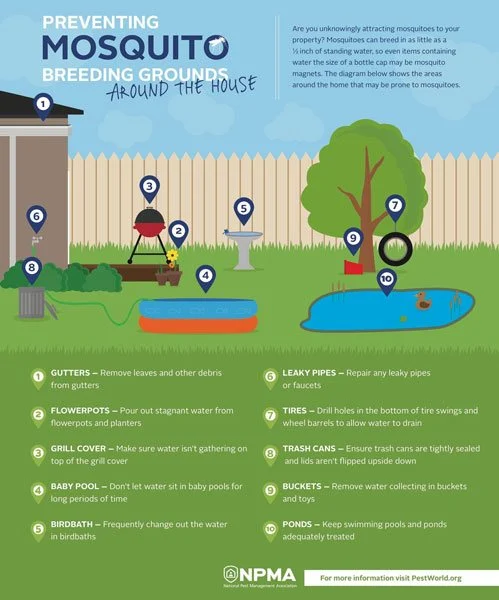
Mosquitoes are not just random visitors; they’re attracted by a combination of environmental cues that are abundant in the Hypoluxo area.
- Standing water: Every rain barrel, clogged gutter, or forgotten bird bath becomes a nursery.
- Warm temperatures: Mosquitoes develop fastest when daytime highs stay above 75 °F.
- Vegetation: Dense shrubs and overgrown lawns provide resting spots and shade.
- Human scent: Carbon dioxide, sweat, and certain skin bacteria act like a magnet.
Understanding these factors helps you target the problem at its source rather than merely reacting to the bites.
mosquito control hypoluxo: The Science Behind Their Lifecycle
Female mosquitoes lay eggs on the surface of still water. Within 24–48 hours, the eggs hatch into larvae that feed on organic matter. After a week or two, they transform into pupae and emerge as adults ready to bite. The entire cycle can be completed in as little as a week during the hot summer months, meaning a single missed water source can produce dozens of new adults in a short time.
Signs of Infestation
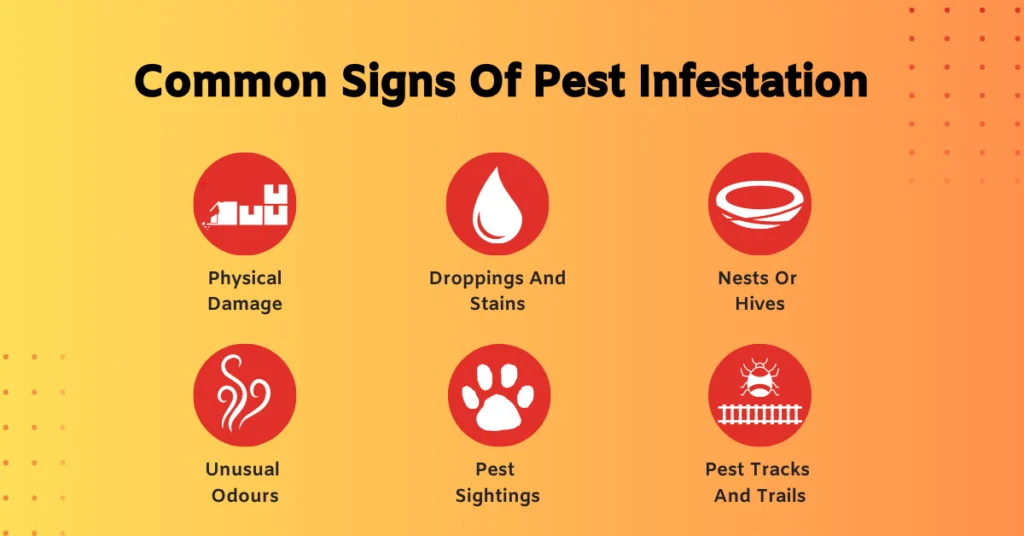
Spotting the early warning signs can save you from a full‑blown outbreak. Look for the following indicators around your property:
- Clusters of standing water that haven’t been changed in weeks.
- Increased mosquito activity at dusk and dawn, especially near decks or porches.
- Visible larvae or “wigglers” in water containers.
- Frequent bites on exposed skin, even when you’re indoors with windows closed.
- Dark, speckled spots on walls—these can be mosquito droppings.
If you notice several of these signs, it’s time to move beyond simple repellents and adopt a comprehensive mosquito control hypoluxo plan.
Natural Removal Methods
Many homeowners prefer to start with low‑cost, environmentally friendly options. Below are three proven natural methods, each explained in plain language.
1. Eliminate Breeding Sites
How it works: Removing or treating standing water cuts the mosquito lifecycle at the source.
Steps:
- Inspect your property weekly for containers that hold water.
- Drain, empty, or cover items such as flower pots, gutters, and pet dishes.
- For water features you wish to keep, add a small amount of larvicide (e.g., Bti) that targets mosquito larvae without harming fish or plants.
When it works: In areas where water accumulation is the main issue, this method can reduce adult populations by up to 80%.
When it fails: If hidden water sources (e.g., underground drainage) remain, larvae will continue to develop unnoticed.
2. DIY Essential Oil Sprays
How it works: Certain essential oils—such as citronella, lemongrass, and eucalyptus—contain compounds that repel mosquitoes.
Steps:
- Mix 10 ml of citronella oil with 1 liter of water in a spray bottle.
- Add a teaspoon of dish soap to help the oil disperse.
- Shake well and spray around patios, doorways, and outdoor furniture before sunset.
When it works: Effective for short‑term outdoor events where chemical sprays are undesirable.
When it fails: The scent dissipates quickly in hot, humid air, requiring frequent re‑application.
3. Plant Mosquito‑Repelling Vegetation
How it works: Plants like marigold, lavender, and catnip emit natural oils that deter mosquitoes.
Steps:
- Plant a border of these species around high‑traffic outdoor areas.
- Maintain healthy growth by watering regularly and pruning dead foliage.
- Combine with other methods for best results.
When it works: Provides a modest, continuous repellent effect and adds aesthetic value.
When it fails: Alone, the plant’s vapor is insufficient for heavy infestations.
Chemical / Product Treatment
When natural tactics aren’t enough, targeted chemical treatments become necessary. Modern products are designed to be effective while minimizing risk to humans, pets, and the environment.
Understanding Active Ingredients
Common ingredients include:
- Permethrin: A synthetic pyrethroid that knocks down adult mosquitoes on contact.
- Resmethrin: Similar to permethrin but with a slightly faster knock‑down effect.
- Pyrethrins (derived from chrysanthemum): Natural alternatives that break down quickly in sunlight.
These chemicals work by disrupting the mosquito’s nervous system, leading to rapid immobilization.
Safe Application Practices
Follow these steps to protect yourself and your family:
- Read the label thoroughly—pay attention to re‑entry intervals.
- Wear protective gloves, goggles, and a mask if you’re spraying yourself.
- Apply the product to shaded areas, under eaves, and in hidden corners where mosquitoes rest.
- Keep children and pets away from treated zones until the label‑specified safe period expires.
Common Mistakes Homeowners Make
- Over‑spraying, which can lead to resistance and environmental buildup.
- Applying only to visible adult mosquitoes and neglecting breeding sites.
- Using indoor‑rated products outdoors, reducing efficacy.
By avoiding these pitfalls, you maximize the benefit of a professional‑grade treatment without the need for a full‑service pest company.
Method Comparison
| Method | Speed | Effectiveness | Risk | Best For |
|---|---|---|---|---|
| Eliminate Breeding Sites (Natural) | Slow (weeks) | High (if complete) | None | Long‑term homeowners |
| Essential Oil Sprays (DIY) | Immediate | Moderate | Low (skin irritation possible) | Small gatherings |
| Permethrin Fogging (Chemical) | Immediate | High (adult control) | Moderate (toxic if misused) | Severe outbreaks |
| Larvicide Bti (Biological) | 1‑2 days | High (larval control) | None | Water features |
Common Mistakes Homeowners Make
Even well‑meaning efforts can backfire. Here are the top three errors we see on the field and how to correct them.
- Focusing only on adult mosquitoes: Killing adults without addressing larvae results in a constant reinfestation cycle.
- Neglecting hidden water sources: Underground drainage, clogged downspouts, and even plant saucers can harbor larvae.
- Using the wrong timing: Spraying during the heat of the day reduces residual activity; dusk applications are more effective.
By tackling each mistake head‑on, you’ll see a measurable drop in bite incidents within a few weeks.
Prevention (Long‑Term Control)
A proactive checklist keeps your property mosquito‑free season after season.
- Inspect and empty water containers weekly.
- Maintain a trimmed lawn—cut grass to ≤6 inches.
- Install fine‑mesh screens on windows and doors.
- Use outdoor fans—mosquitoes are weak fliers.
- Apply a residual larvicide (Bti) to ornamental ponds.
- Schedule an annual professional pest control Kennesaw: comprehensive guide for homeowners inspection to catch hidden problem areas.
When to Call a Professional
DIY methods work for low‑level activity, but certain situations call for expert intervention:
- Persistent bites despite regular source elimination.
- Visible mosquito swarms around the property.
- Presence of mosquito‑borne disease alerts in your county.
- Large water features or commercial‑scale landscaping that require specialized treatment.
A licensed technician can perform a targeted fogging, apply professional‑grade larvicides, and advise on structural modifications that reduce future risk.
FAQ
What is the most effective way to stop mosquitoes from breeding?
Removing standing water is the single most effective step. Combine it with a larvicide like Bti for any water you must keep.
Are natural repellents as good as chemical ones?
Natural repellents provide short‑term relief but generally lack the residual power of synthetic chemicals. They are best used alongside source elimination.
How often should I treat my yard?
For chemical fogging, a bi‑weekly schedule during peak season (May‑October) works well. Natural methods should be performed weekly.
Can mosquitoes carry diseases in Florida?
Yes. Florida reports cases of West Nile virus, Zika, and Dengue. Reducing mosquito populations lowers the risk of transmission.
Is it safe to use mosquito traps?
Traps can reduce adult numbers, but they do not address larvae. Use them as a supplemental tool, not a primary solution.
Living in Hypoluxo means sharing the beautiful sunshine with a few unwanted winged guests. By understanding the biology of mosquitoes, recognizing the signs of an infestation, and applying a balanced mix of natural and chemical controls, you can reclaim your outdoor spaces without compromising safety. Remember, the most sustainable mosquito control hypoluxo strategy is one that combines diligent source removal, smart product use, and, when needed, professional expertise.